

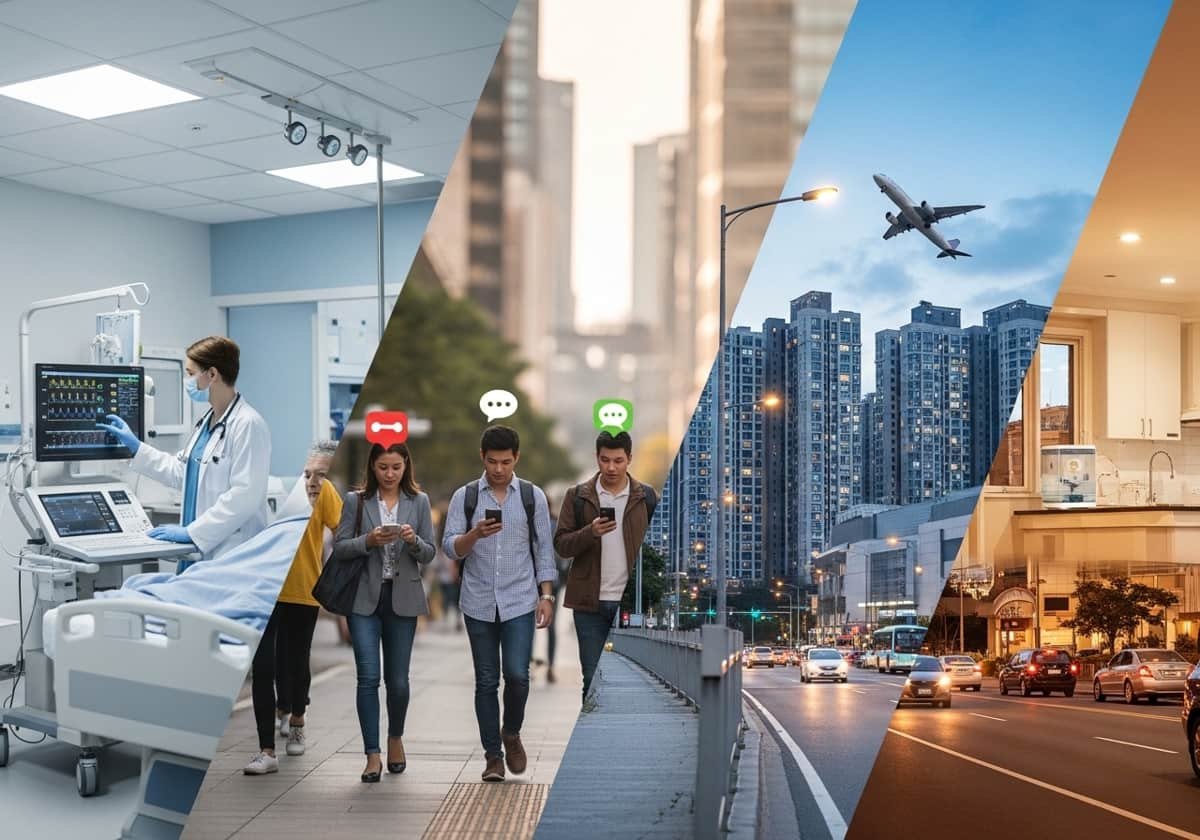
The impact of technology on daily life includes faster communication, access to information, more convenient services and tools that assist with work. It also brings privacy risks, distraction and more time spent sitting. Its effect on activity levels depends on how it is used: screens can reduce movement, while reminders and activity tools can help support a more active routine. The examples below explain both benefits and limits.
1. Healthcare: Helpful Tools with Clinical Limits
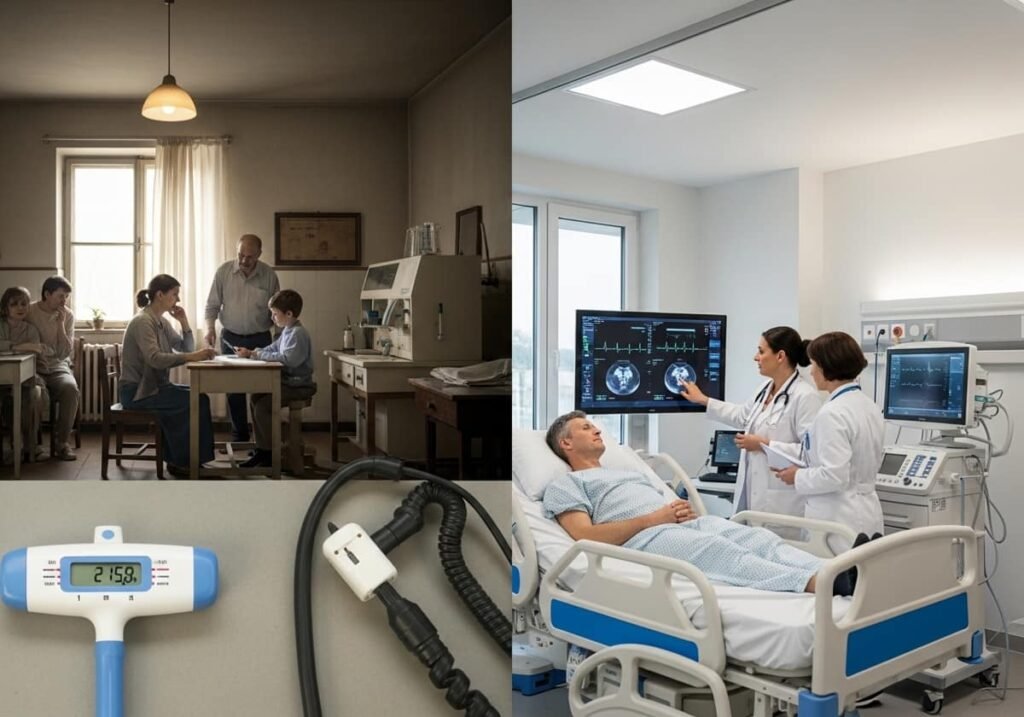
Technology supports healthcare through tools such as diagnostic imaging, electronic records and remote communication between patients and clinicians. These systems can help organize information or make services more accessible, but they do not guarantee a diagnosis, a cure or an equal standard of care everywhere. A qualified professional must interpret results in the context of the patient’s symptoms and history.
Digital health information can make an appointment easier to prepare for: patients may keep a medication list, record symptoms or access instructions provided by a clinician. However, information from a social feed, chatbot or consumer device should not be treated as a medical diagnosis. Check the source and date, and ask the treating professional about decisions affecting your care.
Technology has also improved the tools available for rehabilitation and medical procedures, but the outcome depends on the condition, treatment, staff and access to care. It is misleading to say that people previously had no chance of recovering from injuries or heart disease. Consumer gadgets and health apps should be presented as supporting tools, with clear limits, rather than a replacement for clinical assessment.
2. Communication, Learning and Social Media
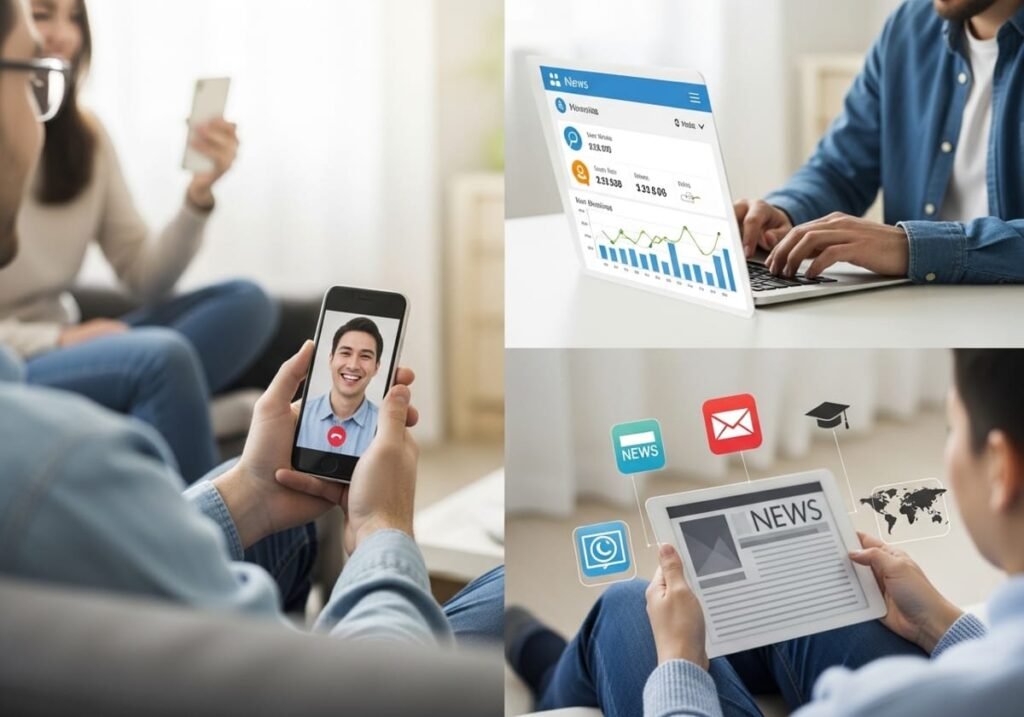
Social media and messaging allow people to share updates, join communities and maintain contact across distance. Video calls can be useful for families, students and colleagues. The negative effects of technology include unreliable information, intrusive advertising and pressure to stay constantly available. Before forwarding a striking claim, read the original source and look for evidence instead of relying on the number of views.
Online tutorials can make learning more accessible, but quality varies. For an important instruction, compare it with an official guide and check whether it applies to your device, country or software version. Creator income also varies; an account or a high view count does not guarantee earnings. Decide what you want from an app, turn off unnecessary alerts and review how much time the activity actually takes.
3. Lifestyle and Physical Activity Levels

Transport, navigation, online booking and remote work have changed how people organize a day. A route-planning app can help compare journeys, while digital services can reduce some trips. Travel still takes time and depends on distance and infrastructure; the original claim about travelling 100,000 kilometers in a few hours was incorrect. Convenience should be compared with cost, accessibility and the need for physical movement.
Technology can reduce activity when work, study and entertainment all involve long periods seated at a screen. It can also help people plan walks, follow a suitable exercise routine or use reminders to interrupt long sitting periods. WHO notes the health benefits of physical activity and the risks associated with excessive sedentary time. An activity tracker is a reminder and measurement aid, not a medical diagnosis or a guarantee of fitness.
Source: WHO physical activity and sedentary behaviour guidance
4. Lighting, Water and Everyday Home Services

Electric lighting, communication networks and water-treatment systems are examples of technology used in public services and homes. Their availability and quality differ between places. A light, filter or monitoring device must be appropriate for the job and maintained as directed. A household filter should not be assumed to remove every contaminant simply because the water looks clear.
At home, timers, efficient appliances and organized digital information can make chores easier. Check whether a device solves a real problem before buying it. Consider running costs, repairability, parts and whether essential functions work without an app. Technology can add convenience, but it can also create maintenance tasks or electronic waste. Keeping a working device longer may be more useful than replacing it for a feature you rarely use.
5. Impact of Technology: Benefits, Risks and Daily Checks
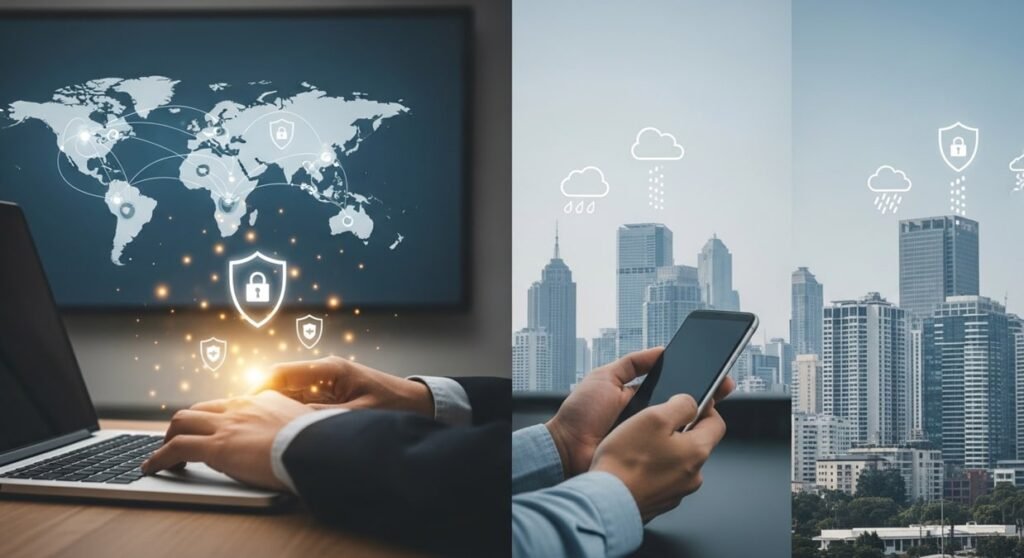
Security technology can support safer access to services, but no country, bank or device is completely protected from crime or disruption. Use a strong unique password, multi-factor authentication where available and official account-recovery channels. Keep software updated and review app permissions. Do not share login codes, approve unexpected payment requests or install software merely because a message claims to come from support.
A practical daily-life checklist: keep technology that saves useful time; verify high-stakes information; limit unnecessary notifications; make room for movement and offline relationships; check privacy settings; and keep a fallback for important records. The benefits of technology are strongest when people can understand, access and control the tools they use. Good design should also consider people with limited connectivity, older devices or accessibility needs.
Related guide: Practical technology trends and skills
Related guide: Useful kitchen gadgets for everyday tasks
What is the biggest impact of technology on daily life?
It changes how people communicate, learn, work and access services. Benefits include convenience and information access, while limits include distraction, privacy risks and unequal access. The result depends on the tool and how people use it.
How has technology changed healthcare?
Tools such as imaging, electronic records and remote communication can support care. They do not guarantee recovery or replace a clinician’s judgment. Consumer apps and online advice should not be treated as a medical diagnosis.
How does technology affect physical activity levels?
Screen-based work and entertainment can increase sitting time. Technology can also support reminders and activity planning. Keep movement in the routine rather than assuming that owning a fitness device makes a person active.
What are the main negative effects of technology?
Common risks include distraction, misinformation, privacy loss, insecure accounts, extra sitting time and dependency on services. These risks vary by use; check sources, permissions and whether a tool provides a useful benefit.
How can families use technology more responsibly?
Agree on useful purposes for devices, reduce unnecessary alerts, protect accounts and make time for movement and offline activities. Choose tools that fit the household’s needs, accessibility requirements and budget.
What is the impact of social media on society?
It helps people maintain contact, discover communities and share information. It can also spread misleading claims and interrupt attention. Verify important information at its original source and use privacy controls deliberately.
